When the Fortress Has No Heir: Building a Bitcoin Estate Plan That Outlasts You
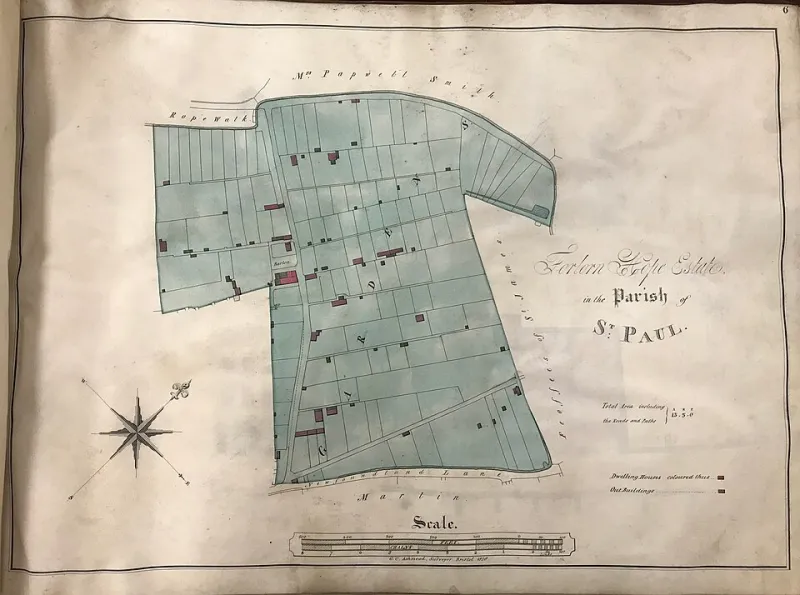
Photo: George C. Ashmead, Public domain, via Wikimedia Commons
A well-constructed Bitcoin security system is, by design, resistant to unauthorized access. That same resistance, however, becomes a liability the moment the rightful owner is no longer able to provide authorization. Every year, an estimated billions of dollars in Bitcoin become permanently inaccessible because holders died without leaving any workable recovery instructions. The fortress stood firm — but it locked out the very people it was meant to protect.
For American Bitcoin holders, this is not a distant hypothetical. It is a structural flaw in the way most people think about digital asset ownership. Addressing it requires combining legal estate planning with technical security architecture in a way that neither attorneys nor security engineers typically handle alone.
The Unique Challenge of Inheriting Bitcoin
Traditional assets — bank accounts, brokerage portfolios, real estate — have institutional intermediaries. A bank can verify a death certificate and transfer funds to a named beneficiary. Bitcoin has no such intermediary. The asset exists exclusively on the blockchain, accessible only through private keys. If those keys are lost, destroyed, or simply undocumented, the Bitcoin is gone regardless of what any will or probate court declares.
This creates a problem with two opposing pressures. On one side, security demands that private key information remain hidden, compartmentalized, and difficult to reconstruct. On the other, inheritance demands that a trusted successor eventually be able to reconstruct access with full authority. Resolving this tension is the central engineering challenge of Bitcoin estate planning.
Legal Frameworks: What American Law Can and Cannot Do
The Revised Uniform Fiduciary Access to Digital Assets Act (RUFADAA), adopted in some form by most US states, gives fiduciaries — executors, trustees, and agents under a power of attorney — legal authority to access digital assets. However, legal authority means nothing without the technical means to exercise it. A court order cannot unlock a hardware wallet.
Any sound inheritance strategy must therefore operate on two tracks simultaneously: the legal track, which establishes who has the right to inherit, and the technical track, which ensures that person can actually execute that right. Working with an estate attorney who has explicit experience with digital assets is strongly advisable. Several law firms across the country now specialize in this area, and organizations such as the Digital Assets Council of Financial Professionals maintain directories of qualified practitioners.
Your will or revocable living trust should explicitly name Bitcoin and other digital assets, describe their general location (without disclosing keys), and designate a digital asset executor — ideally someone with at least basic technical literacy.
Multisignature Wallets: The Cornerstone of a Transferable Fortress
A multisignature wallet — commonly called multisig — requires a defined number of private keys from a larger set to authorize any transaction. A 2-of-3 multisig arrangement, for example, holds three keys but requires any two to sign a transaction. This architecture is exceptionally well-suited to inheritance planning.
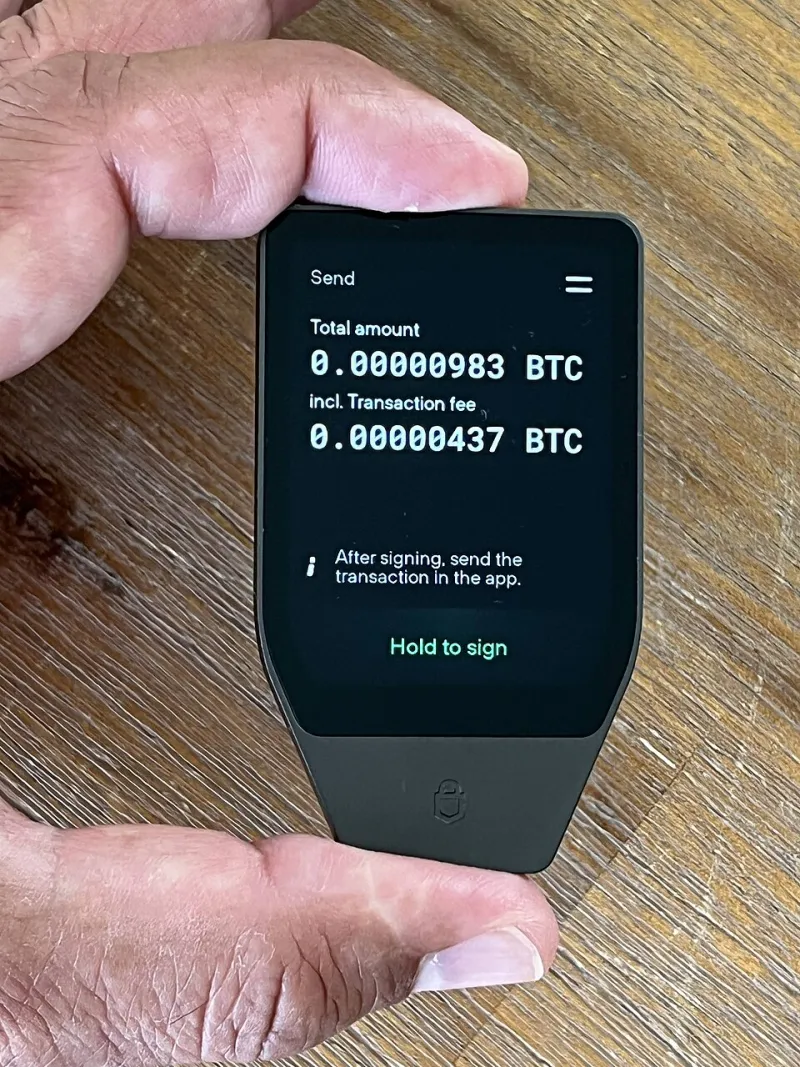
Consider distributing the three keys as follows: one key held by you in a secure hardware wallet, one key held in a bank safe-deposit box in a sealed envelope, and one key held by a trusted attorney or fiduciary under a formal custodial agreement. During your lifetime, you maintain full control because your personal key combined with either of the other two constitutes a signing majority. Upon your death, your designated heir can collaborate with the attorney or access the safe-deposit box to assemble the required two keys — without any single party ever holding unilateral control.
This structure prevents both the risk of premature access and the risk of permanent loss. It is, effectively, a vault with distributed combination components.
Dead Man's Switches and Timed Disclosure Protocols
For holders who prefer a more automated approach, dead man's switch services offer a compelling option. These services require periodic check-in confirmations from the account holder. If check-ins cease for a defined period — typically interpreted as incapacitation or death — the service automatically delivers pre-prepared instructions or encrypted credentials to designated recipients.
Several reputable services exist in this space, including Deadman.io and similar platforms. The critical security consideration is what information you entrust to such a service. Ideally, the switch should deliver decryption keys to an encrypted document stored independently — such as a file on a USB drive held by your attorney — rather than transmitting raw seed phrases or private keys over any network. Layering the disclosure reduces the risk that a compromise of the switch service itself becomes a compromise of your Bitcoin.
Documenting Access Without Creating a Security Liability
The most common estate planning mistake among Bitcoin holders is writing down seed phrases and storing them alongside a will or in a home safe without any additional protection. A document that grants complete, immediate access to a Bitcoin wallet is extraordinarily dangerous if it falls into the wrong hands during the often-chaotic weeks following a death.
A more defensible approach separates the what from the how. Your estate documents should describe the existence and approximate value of your holdings, the type of wallet used, and the general access procedure — without including the seed phrase itself. The seed phrase should be stored separately, protected by encryption or physical security, and disclosed only through the protocols established with your multisig structure or dead man's switch.
Consider also preparing a formal Letter of Instruction — a non-binding document separate from your will — that walks your executor through the technical steps of wallet access in plain language. This document should be reviewed and updated annually, or any time your wallet configuration changes.
Selecting and Briefing a Trusted Executor
The human element of any inheritance plan is often its most vulnerable point. Your designated digital asset executor should be someone who is not only trusted but also capable of following technical instructions under emotional stress. Consider conducting a dry run during your lifetime — walking the person through the access procedure step by step, without revealing the actual credentials — so they understand what will be required of them.
If no single individual in your life meets this standard, professional fiduciary services that specialize in digital asset custody are an increasingly available alternative. These firms can serve as institutional executors, maintaining the technical competence and operational security that private individuals may lack.
Fortifying the Legacy
Building a Bitcoin holding is an act of financial discipline. Ensuring that holding survives you is an act of responsibility — to your family, your estate, and the broader principle that Bitcoin ownership is real, transferable wealth. The fortress you have constructed against theft and loss must also have a legitimate gate, one that opens only for the right people at the right time.
That gate requires architecture as deliberate as any other security layer: legal authority, technical access mechanisms, documented procedures, and trusted executors working in concert. Stone by stone, a Bitcoin legacy is built the same way a Bitcoin fortress is — with intention, redundancy, and an unflinching commitment to keeping the right people in and the wrong people out.